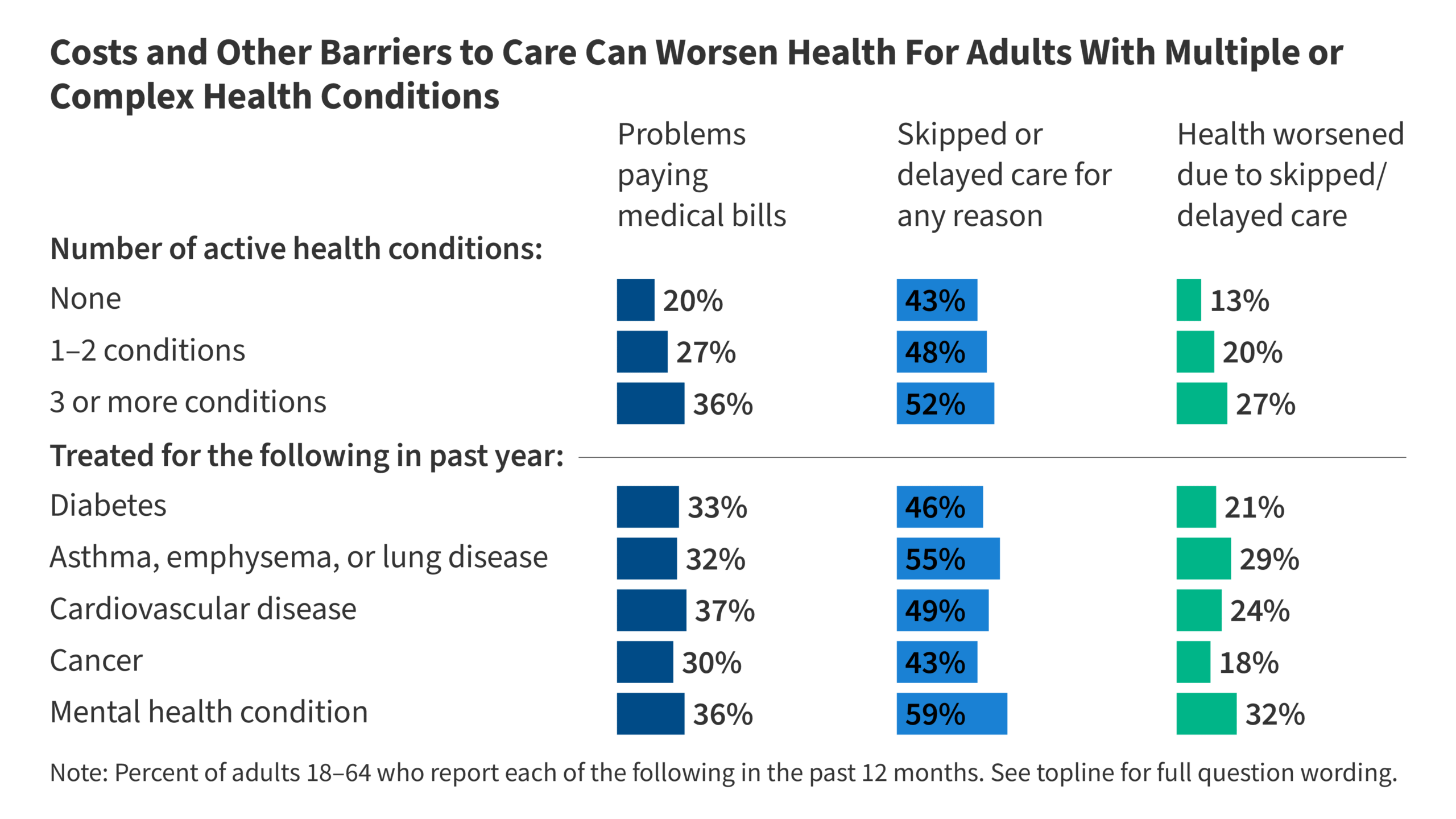
Health Care Access and Affordability for Adults with Multiple or Complex Health Conditions: A Snapshot of Patient Experiences
KFF polling has long shown that many U.S. families struggle to afford health care and how costs shape decisions about...
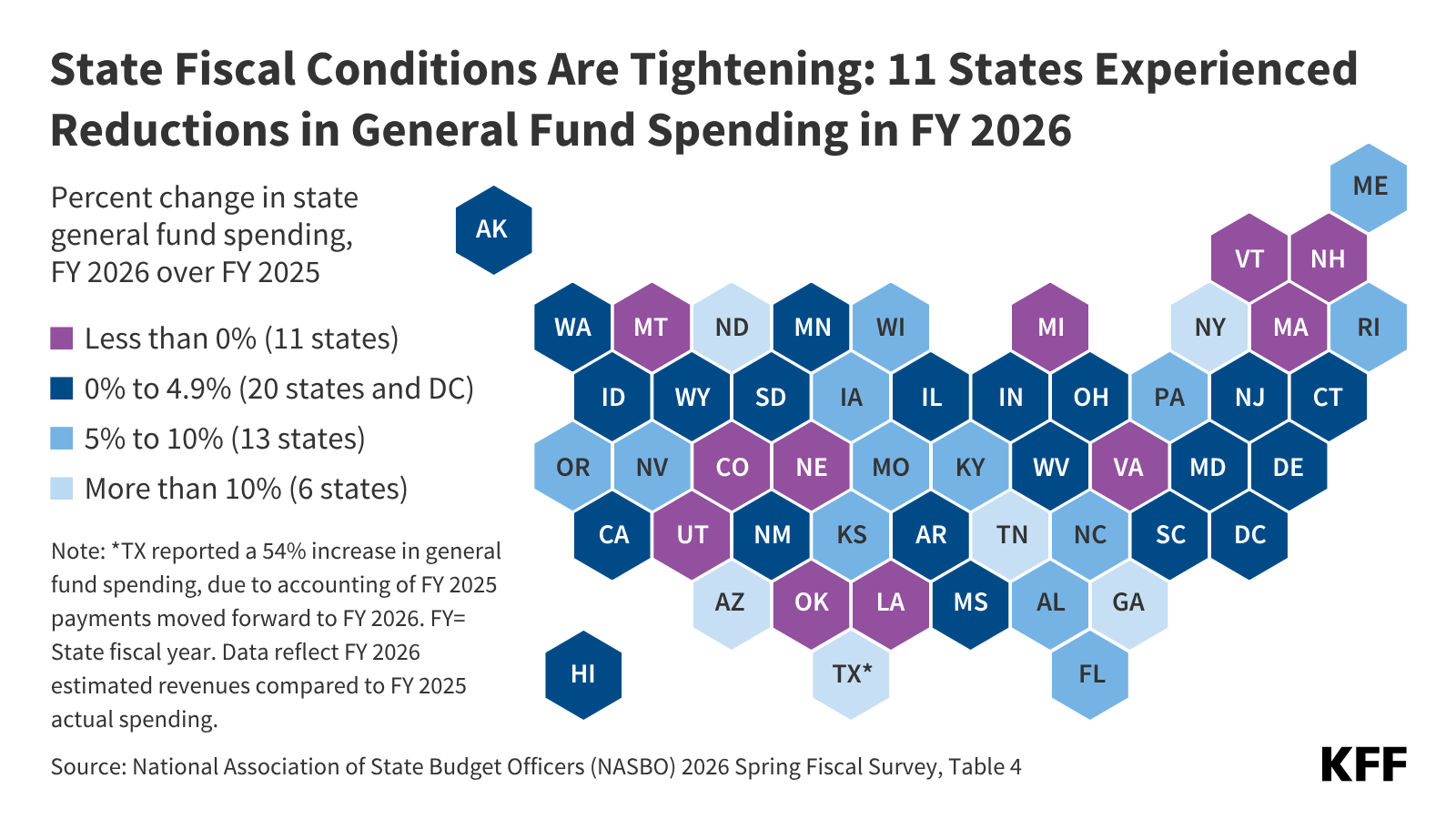
State Fiscal Conditions: Context on Medicaid Budgets for FY 2027
Medicaid is the primary program providing comprehensive health and long-term care to one in five people living in the U.S. and accounts for nearly $1 out of every...
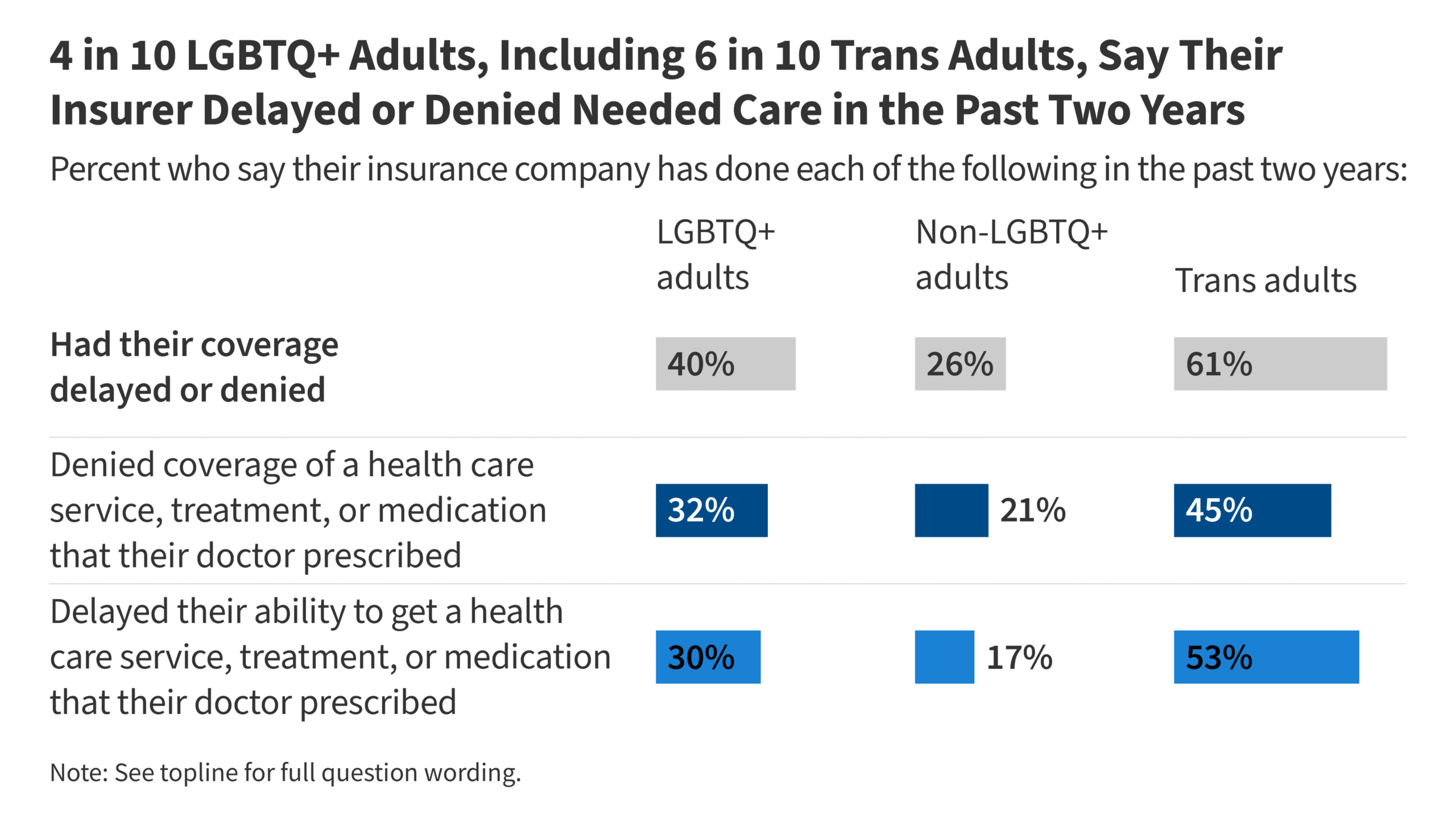
Examining LGBTQ+ Adults’ Experiences with Health Care Costs and Access
Key Takeaways LGBTQ+ adults face significantly greater challenges accessing and affording health care compared to their non-LGBTQ+ peers. They are...
Medicaid Coverage for Women | KFF
Adult women of reproductive age (19 to 49) comprise a quarter (24%) of the Medicaid population (Figure 1). Medicaid covers a...
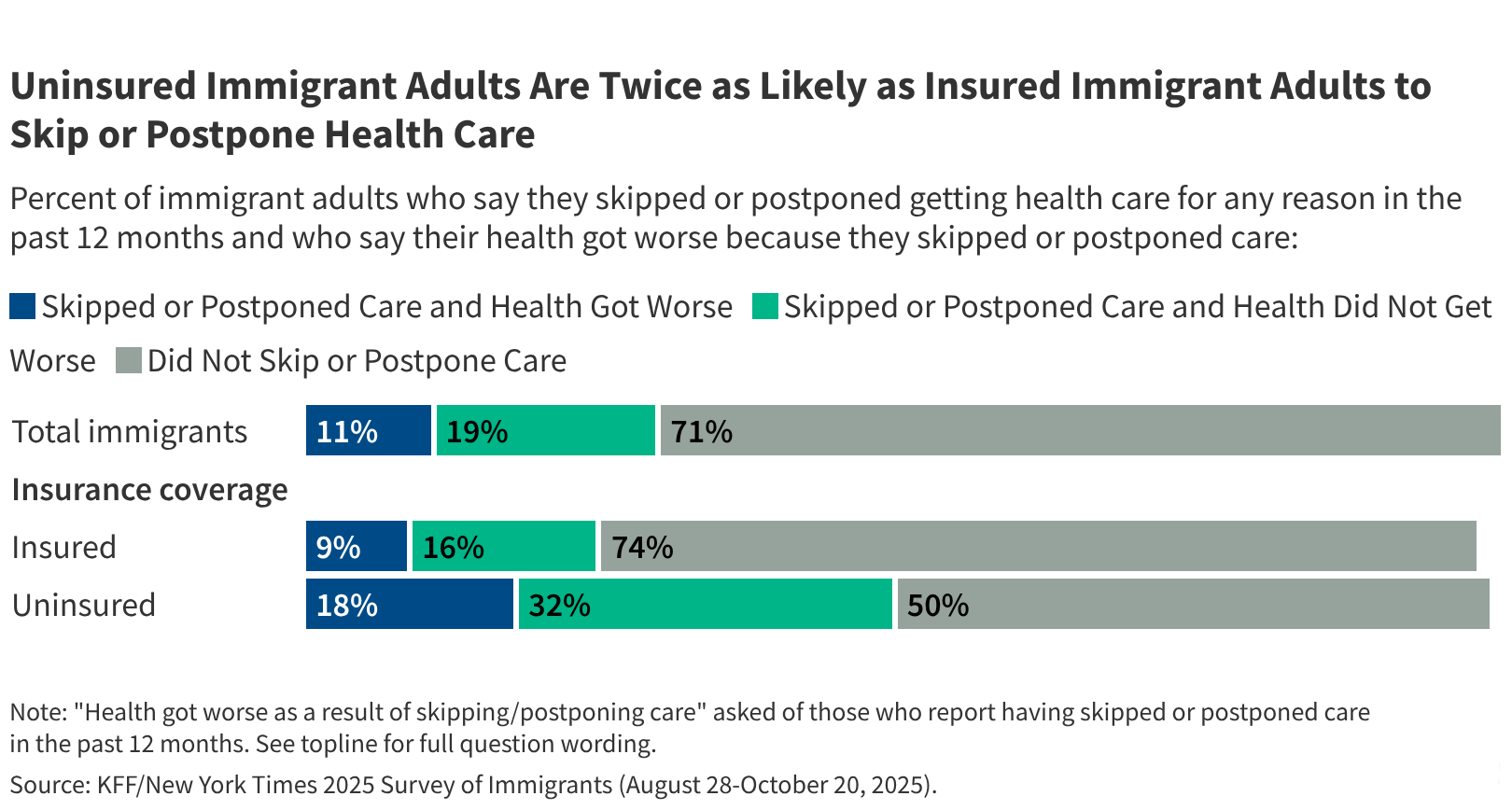
Health and Health Care Experiences of Uninsured Immigrants
Introduction As of 2024, there were about 50 million immigrants residing in the U.S. Within this group, there were 24...
State Policies on Abortion Coverage in Medicaid, Private Insurance, and ACA Exchange Plans in 2025
Editorial note: Updated July 24, 2026 with new updates for Pennsylvania. State and federal efforts to limit abortion coverage began soon...

Nearly Four Million Medicare Beneficiaries Could Be Eligible for the Temporary Medicare GLP-1 Bridge Program Covering These Drugs for Weight Loss
A new KFF analysis finds that 3.8 million Medicare beneficiaries met the criteria to be eligible for the new Medicare...

Out-of-Pocket Costs for Long-Acting Reversible Contraception Among Individuals Enrolled in Employer Sponsored Insurance Plans
Despite the Affordable Care Act (ACA) requiring contraceptives to be covered without cost-sharing, many privately insured long-acting reversible contraceptives (LARC)...
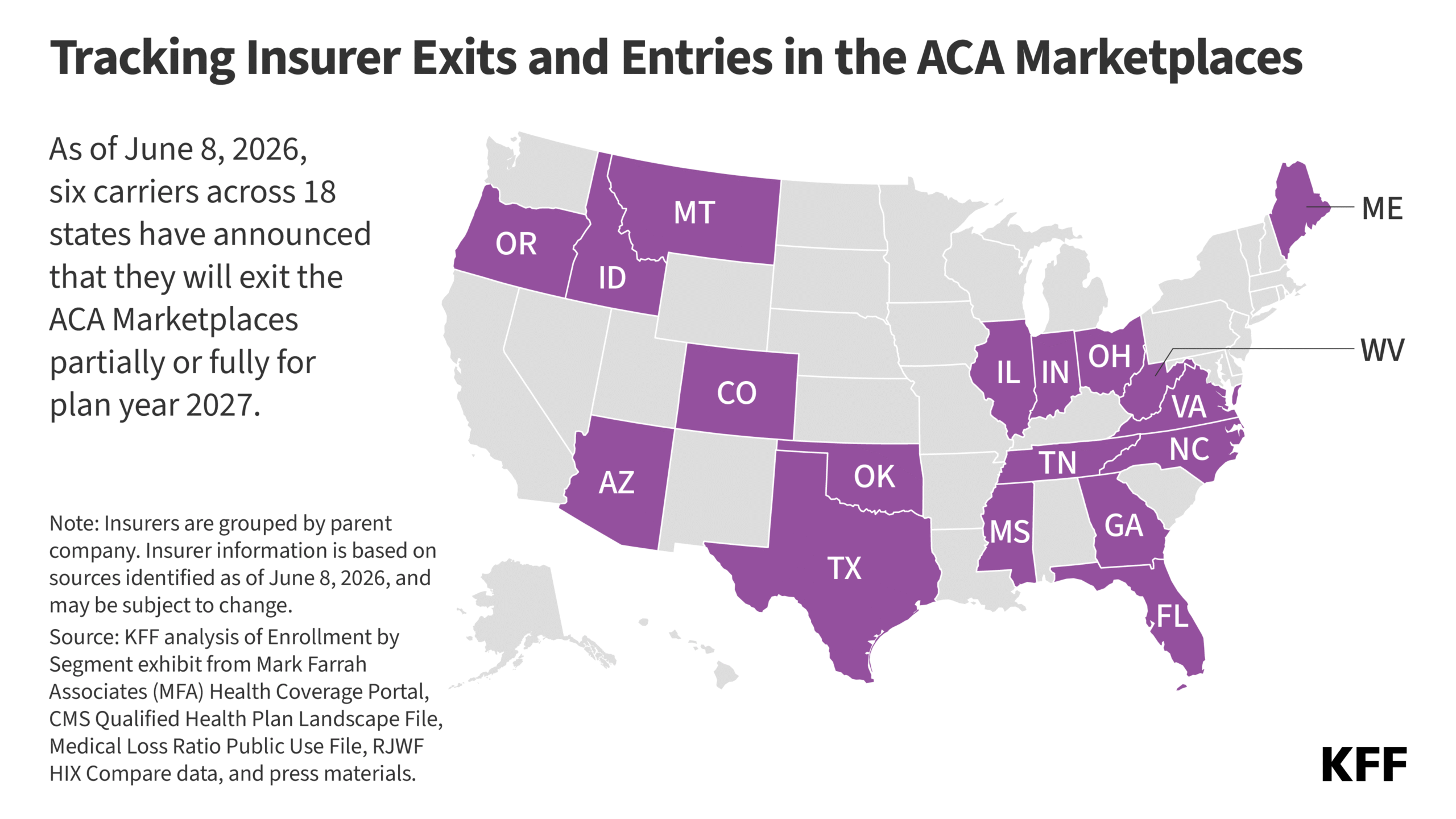
Tracking Insurer Participation Changes in the ACA Marketplaces in 2027
As of June 8, 2026, six carriers have announced that they will exit the ACA Marketplaces in plan year 2027,...
A Closer Look at North Carolina’s Implementation of the 2025 Reconciliation Law Medicaid Provisions and Other Changes Amid Medicaid Budget Shortfalls
On April 30, 2026, North Carolina Governor Josh Stein signed legislation that includes Medicaid policy changes and closes an estimated...