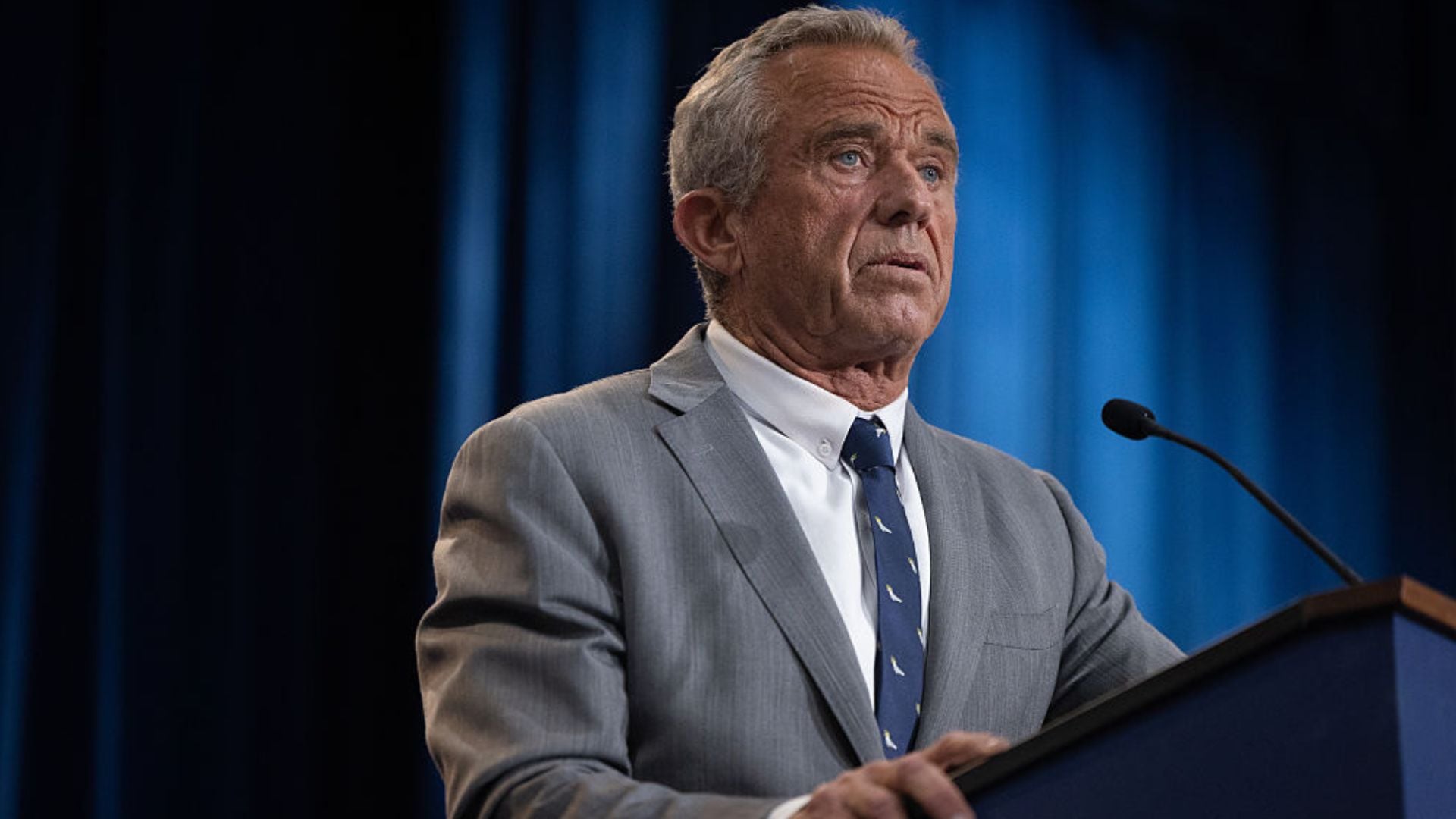
Health and Human Services Secretary Robert F. Kennedy Jr. removed two key leaders of the U.S. Preventive Services Task Force (USPSTF), a key advisory panel that offers guidance on preventive services, according to media reports.
Vice chairs John Wong, M.D. and Esa Davis, M.D. were dismissed from the task force in letters sent to them by Kennedy on May 11, The New York Times reported on Wednesday, citing copies of the letters obtained by reporters. STAT, CNN, Politico and The Hill also reported the terminations, citing the letters.
A HHS spokesperson did not respond to Fierce Healthcare’s request for comment as of press time.
In the letters, Kennedy wrote that he had “directed a review” of USPSTF appointments “to ensure clarity, continuity and confidence” in his department’s oversight of the task force, and “to protect the integrity of the task force’s work.” He said Wong’s and Davis’s appointments were terminated “effective immediately” in order to “avoid uncertainty that could jeopardize the validity of future task force actions,” The New York Times reported, citing the letters.
Wong is a professor of medicine at Tufts University School of Medicine and also serves as vice chair for academic affairs, chief of the Division of Clinical Decision Making, and, as a primary care clinician, serves in the Department of Medicine at Tufts Medical Center. Davis is a professor of family and community medicine and the associate vice president of community health at the University of Maryland Baltimore. She is also the senior associate dean of population and community medicine at the University of Maryland School of Medicine
In July, the Wall Street Journal reported that Kennedy planned to dismiss all 16 panel members of the USPSTF because he views them as too “woke,” according to people familiar with the matter who spoke to the media outlet.
That same month, HHS abruptly called off a scheduled meeting of the USPSTF, which prompted many healthcare experts to air concerns about potential political interference that could sideline independent experts.
The USPSTF is made up of 16 volunteer members who are nationally recognized experts in prevention, evidence-based medicine and primary care. Task force members, appointed by the secretary of the HHS, serve staggered four-year terms to ensure all 16 members are not appointed by the same presidential administration.
Members are screened to ensure they have no substantial conflicts of interest, according to the task force’s website.
The USPSTF was established in 1984 to make recommendations to general practice physicians and public health bodies on preventive care. Federal policymakers rely on the USPSTF recommendations, including the Centers for Medicare & Medicaid Services and the Centers for Disease Control and Prevention (CDC).
And, insurers must provide cost-free coverage for preventive services that have been recommended by the USPSTF, such as lung and colorectal cancer screenings, behavioral counseling, prevention of maternal depression, childhood vision screenings and adult diabetes screenings.
The terminations leave the panel with just eight sitting members. Five other members saw their terms expire at the start of this year, and Kennedy did not replace them, and the previous chair, Michael Silverstein, departed on his own, STAT reported.
The task force issued fewer recommendations than is typical last year and missed a deadline for a legally mandated report to Congress after Kennedy postponed its meetings indefinitely, according to The New York Times’ reporting.
Kennedy is accepting nominations for open positions on the task force, and the nomination deadline is this Saturday, May 23.
Last June, the U.S. Supreme Court upheld the key preventive services task force in a 6-3 ruling. The decision, Kennedy v. Braidwood, preserved the Affordable Care Act’s preventive coverage mandate and also determined that members of the USPSTF are selected within the bounds of the Constitution. In that ruling, the justices also said Kennedy and his predecessor in the Biden administration had the ability to name the experts who sit on the panel and could remove members before their terms end.
Many healthcare organizations are now concerned that the Task Force will be drastically revamped just as Kennedy did with the CDC’s federal vaccine panel.
Leadership from America’s Physician Groups, which represents 300 physician groups, issued a statement Wednesday voicing concerns about Kennedy’s lack of transparency about the future of the task force.
“As APG noted last year when the Secretary first signaled an overhaul of the task force, APG member organizations are committed to being held accountable for the quality and costs of health care. The provision of evidence-based preventive services is core to delivering the value-based, accountable care that is APG’s mission. Yet the Secretary has not clarified whether a remade task force will continue to undertake science-based reviews of the evidence on preventive interventions,” the organization said in its statement.
The organization said it believes strongly that the Affordable Care Act requirement that health insurers cover any preventive services that receive A or B ratings from the USPSTF with no cost sharing by individuals has been a reliable means of increasing uptake of these important services.
“Having robust evidence behind preventive screenings is especially important, for example, at a time when high-cost screenings of indeterminate value for cancers and other conditions are proliferating. It is not clear that the Secretary seeks to preserve the ability of USPSTF to issue credible ratings of the evidence that the health care ecosystem can rely upon,” APG said.
“APG continues to be highly troubled by the lack of transparency about why the dismissal of the task force leaders was warranted; who may be considered for future appointments to the task force; and whether future task force members will have the academic, clinical, and policy expertise to evaluate the scientific evidence behind preventive interventions and understand how to provide them appropriately in clinical settings,” the physician organization said.
Publisher: Source link