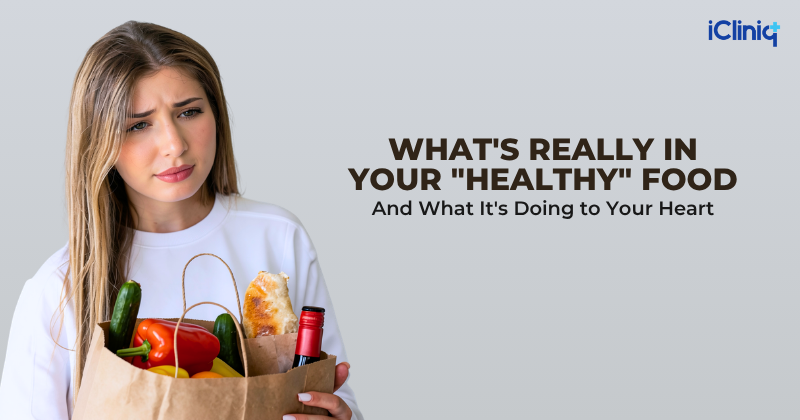
You fixed your diet, cut the sugar, switched to “healthy” snacks, but the ingredient list tells a different story. Preservatives are no longer just a junk food problem. In 2026, they’re sitting inside the foods most people trust the most.
Healthy Packaged Foods Have a Hidden Problem
Most people cut sugar and salt and think they’re done. Now doctors are pointing at something else sitting quietly in your protein bars, flavored yogurts, packaged breads, salad dressings, and “low sugar” snacks, preservatives. These aren’t just in junk food anymore. They’re in the stuff people genuinely believe is good for them. What’s making researchers uncomfortable now is that eating multiple preservatives together, every single day, may slowly stress your blood vessels over time.
Natural” on the Label Doesn’t Always Mean Safe in a Packet
Here’s the part that surprises most people. Citric acid, rosemary extract, and vitamin C in its preservative form; these sound harmless, even good. But once they’re heavily processed into packaged food, studies suggest they may behave differently inside the body compared to getting them naturally from whole foods. Some researchers think repeated exposure to these concentrated industrial forms may trigger inflammation in certain people. To be clear, eating an orange is not the problem. It’s the version sitting in a factory-made snack that scientists are now looking at more carefully.
Blood Pressure Damage Can Build Up Before You Feel Anything
This is what makes the whole conversation tricky. Many people eating preservative-heavy diets feel completely fine for years. No headaches, no chest tightness, no obvious warning signs. But newer cardiovascular research suggests blood vessel damage can develop quietly long before symptoms show up. Doctors are now talking more about “silent inflammation,” the kind caused by everyday food chemicals, not just cholesterol. By the time your body signals something is wrong, the damage may already have a head start.
Your Gut Is Quietly Keeping Score
Your gut bacteria do more than digest food. They help regulate blood pressure, metabolism, and inflammation. Early 2026 research suggests some preservatives may reduce the beneficial bacteria that keep all of this in check. This could explain why two people eating the same number of calories react so differently; one feels fine, one doesn’t. If the gut bacteria are being quietly disrupted by additives, the ripple effects can show up in ways that have nothing obviously to do with food.
Stop Counting Calories. Start Reading Ingredients.
Two foods can have identical calories and affect your body in completely different ways depending on what’s actually in them. Packaged meats, instant noodles, flavored drinks, and long-shelf-life bakery products often carry several preservatives working together. Cardiologists are now telling patients something simple: shorter ingredient list, better the choice. “Low fat” and “high protein” labels mean very little if the product has fifteen additives holding it together. The number to watch isn’t just calories, it’s how many things in that list you can’t picture in a kitchen.
The food industry got good at making harmful things sound clean. A shorter ingredient list is now one of the simplest health decisions you can make. Your body is keeping score even when you’re not.
Publisher: Source link