VOLUME 40
Highlights
KFF’s latest Tracking Poll on Health Information and Trust finds that trust in the Centers for Disease Control and Prevention (CDC) for reliable vaccine information remains at its lowest point since the COVID-19 pandemic began amid recent drops in trust among Democrats. These findings as well as data from dozens of past KFF polls are now available on KFF’s new Health Information and Trust Polling dashboard, which includes key insights and long-term trends from KFF’s polling on health information and trust over the years.
And new evidence finds no link between autism and prenatal use of acetaminophen, commonly known as Tylenol, but confusion may persist as officials continue to question the drug’s safety, illustrating how trust in different messengers can shape public perceptions despite scientific understanding.
Featured
New KFF Tracking Poll on Health Information and Trust Finds Trust in the CDC Remains at Low Point After Changes to Recommended Childhood Vaccines
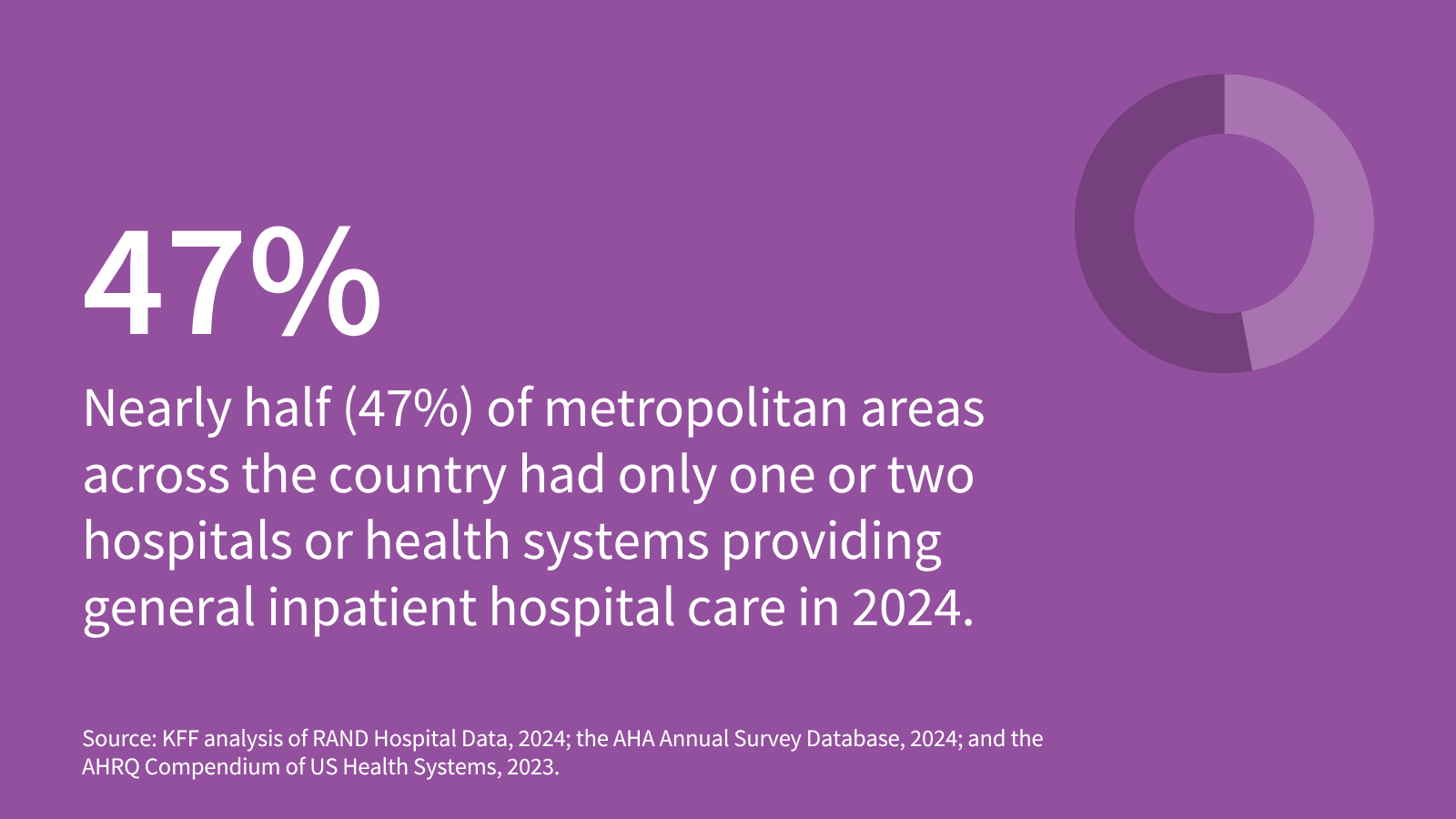
With HHS recently reducing the number of vaccines universally recommended for children in the U.S., the latest KFF Tracking Poll on Health Information and Trust finds that just under half (47%) of the public now say they trust the Centers for Disease Control and Prevention (CDC) at least “a fair amount” to provide reliable information about vaccines. This is similar to the share of the public who said the same in September, but down more than 10 percentage points since the beginning of the second Trump administration, and a continuation of declining trust in the CDC since the onset of the COVID-19 pandemic.
The latest poll finds that Democrats’ trust in the CDC for vaccine information has further declined, with just over half (55%) of Democrats now expressing trust in the agency – down from 64% in September. About four in ten Republicans say they trust the CDC for vaccine information, similar to the share who said the same a few months ago and in 2023, but about half as many Republicans who said they trusted the CDC on coronavirus in early 2020.
KFF Launches New Dashboard to View Insights and Trends from Polling on Health Information and Trust
Findings from the latest KFF Tracking Poll on Health Information and Trust, and more than a dozen previous polls, are now available on a new interactive dashboard tracking the public’s trusted sources for health information, attitudes toward vaccines, and use of news, social media and AI for health-related information.
The dashboard includes new data on trusted sources of health information across demographics, an interactive timeline showing how trust in the CDC as an information source has changed over time, as well as a ranking of exposure to and belief in false or unproven health claims measured in KFF polls over the years, among other data. The dashboard highlights many key themes found across KFF’s health information and trust polling, such as the “malleable middle”: across an array of false or unproven health claims measured in past KFF surveys, many adults continue to express uncertainty over these claims’ validity, saying they are either probably true or probably false.
The downloadable data and charts allow researchers, policymakers, journalists, and others to explore partisan and demographic differences on key health information issues. The dashboard will be updated regularly.
Recent Developments
New Evidence Reaffirms That There is No Link Between Tylenol and Autism, but Confusion May Persist
What happened?
A new review and meta-analysis published in The Lancet found no evidence that acetaminophen (Tylenol) use during pregnancy increases the risk of autism or attention-deficit/hyperactivity disorder (ADHD). Reinforcing existing clinical guidance, the authors concluded that acetaminophen should remain the recommended pain and fever treatment for pregnant people, but ongoing falsehoods asserted by the Trump administration about the link may still confuse people about its safety.
How widespread is the narrative?
After the Trump administration warned against a potential link between prenatal acetaminophen use and neurodevelopmental outcomes in September 2025, despite a lack of causal evidence, KFF polling, fielded shortly after the Trump administration’s announcement, found that three-quarters (77%) of the public had heard the unproven claim that taking Tylenol during pregnancy can increase the risk of autism. Overall, just 4% of adults said the unproven claim was “definitely true,” while 35% said the claim was “definitely false.” At the same time, most adults expressed uncertainty, with 30% saying it was “probably false” and another 30% saying it was “probably true.” Views on this unproven claim vary by political affiliation, with just over half of Republicans (56%) saying it was “definitely” or “probably” true compared to far fewer Democrats.
Federal officials continue to suggest there is a link, despite new findings
While the new findings add to the large body of scientific research that finds no evidence of a link between acetaminophen in pregnancy and autism, confusion may persist due to continued erroneous messaging from federal officials. On January 5, several days before the study’s publication, President Trump warned pregnant people against using Tylenol in a post on Truth Social. After the study was published, a spokesperson for the Department of Health and Human Services (HHS) questioned its conclusions, stating that “many experts have expressed concern” about a link between acetaminophen use during pregnancy and outcomes like autism and ADHD.
Why this matters
Individuals may weigh these conflicting messages based on trust in these sources. According to Pew Research, Americans report more confidence in scientists (77%) than in elected officials (27%) to act in the public’s best interest. At the same time, KFF polling from January 2026 shows that trust in sources for health information can vary by political affiliation, with majorities of Republicans saying they trust President Trump and HHS Secretary Robert F. Kennedy Jr. for reliable health information, compared to fewer than half of independents or Democrats. However, across partisanship, doctors and health care providers remain the most trusted source of health information, placing them in a key position as messengers of health information for the public.
Publisher: Source link