The challenge in community health isn’t just providing access to specialists; it’s also bridging the gap between primary and specialty care. Technology promises to transform clinical practice, but needs a human connection to produce transformative outcomes. To succeed at their mission, community health centers must embrace what I call relational technology—not tools but relationship multipliers that strengthen the bond between patient and provider.
For the over 32 million federally qualified health center (FQHC) clients, largely from underserved populations, a referral to a specialist is often not a solution but rather the start of a confusing journey. I’ve seen this breakdown in my professional and lived experiences. A patient leaves the primary care clinic with a diagnosis that requires specialist follow-up, and they immediately fall into a black hole of transportation scheduling, insurance approvals, digital access and simple confusion about next steps. The process can be overwhelming, compounding care delays and making noncompliance more likely.
Master the foundation before chasing shiny objects
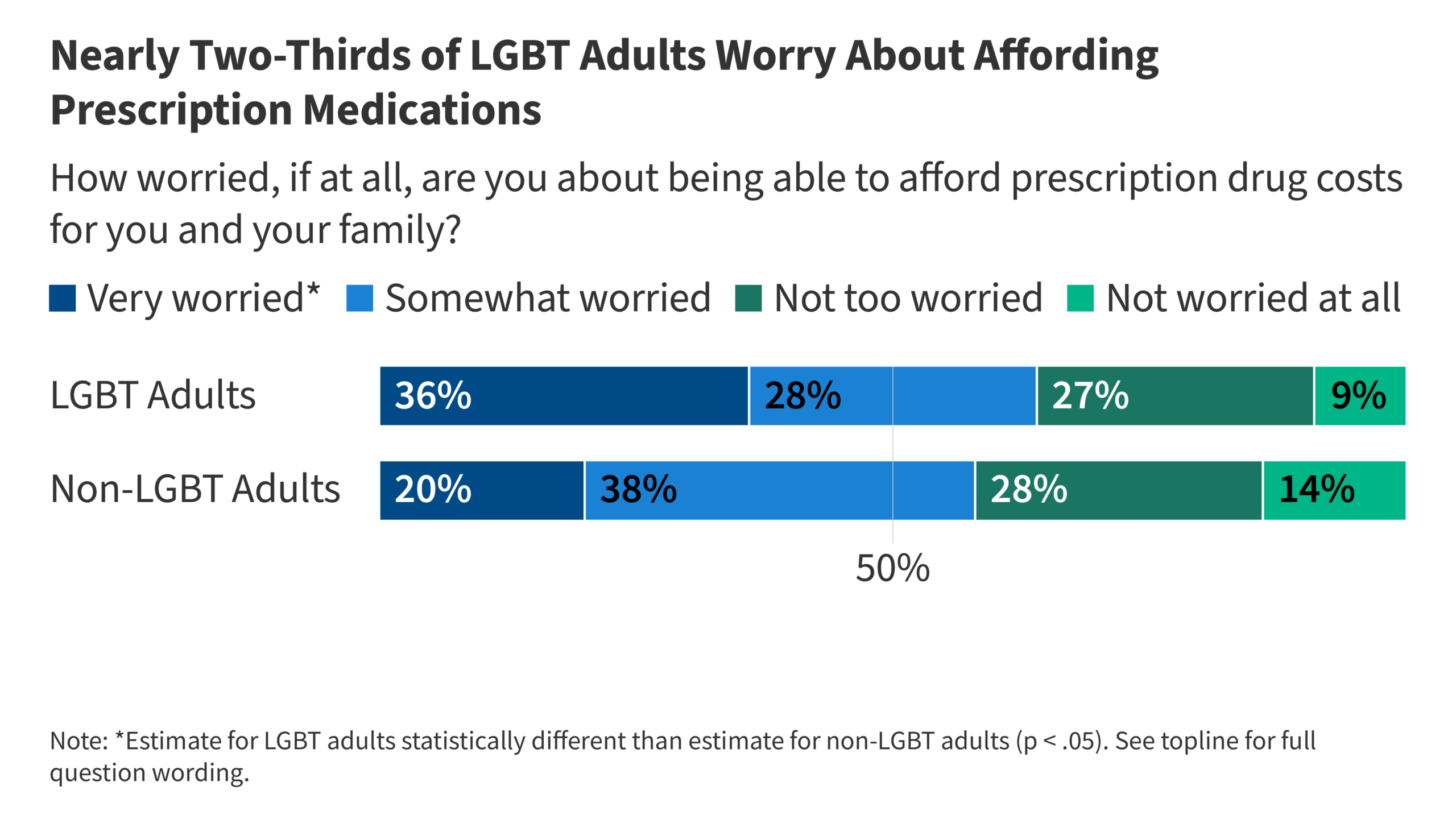
FQHCs face challenging resource constraints and cannot adopt every promising healthcare technology. They need practical solutions to today’s problems. Transformation begins by deploying systems and protocols that immediately remove a patient’s real-world burden. For example, some insurance plans require fasting blood work for a diabetes diagnosis, an extra step that can be an insurmountable barrier for a patient working two jobs. By implementing point-of-care A1C testing, clinicians can get an accurate diagnosis in minutes, allowing them to start a care plan in that same visit.
This pragmatic approach also applies to telehealth. Instead of viewing it as a replacement for in-person care, many FQHCs leverage telehealth primarily for follow-ups. After an initial in-person visit establishes trust in the care plan, scheduling a virtual visit to review labs or check on medications provides more consistency. With telehealth, clients no longer have to choose between their well-being and their paycheck.
These foundational tools are powerful, but not enough. The most critical component of our strategy is the “human bridge” that connects the patient to healthcare technology. In FQHCs, care coordinators are the high-touch support that makes our high-tech tools usable. When a patient is enrolled in a remote blood pressure monitoring program, they don’t just get a device in the mail. A care coordinator walks them through setup, builds their confidence, and monitors their readings. This layperson is their dedicated guide, troubleshooting issues and ensuring the data gets to the clinical team.
A relational technology model does more than empower the individual; it allows us to manage our clinical workforce and the health of our entire community. When aggregate data shows low A1C testing volume in a specific clinic, it’s not a punitive metric. It’s a management tool that triggers a quality review, allowing us to ask why and deploy resources.
Data also powers value-based care models such as the federal 340B Drug Discount program. Drug manufacturers sell outpatient drugs to FQHCs at a significantly reduced price, while insurers reimburse FQHCs at the same rate as any non-340B pharmacy. The program is structured so that FQHCs reinvest the difference in care coordination and other comprehensive services–the vital human element. Data assures program compliance, maximizes savings and guides spending on programs with the greatest impact at keeping patients healthy.
Meeting patients where they are
No healthcare technology strategy can succeed if clients cannot use the application. FQHCs serve a diverse population with different language preferences and varying levels of broadband connectivity and digital literacy. A successful strategy cannot be one-size-fits-all. It must give patients the choice to connect via a portal, a phone call, a text message or an in-person visit.
In addition, over 3,000 mobile clinics in the U.S. meet patients where they are at community events, shelters and neighborhood centers. The mobile clinic often is the first place a community resident is introduced to FQHC services and technology. The familiar setting builds trust among those who might never walk through a clinic’s doors.
My vision for transformation in community health is not about tools; it’s about connection. The true promise of healthcare technology is not to automate care, but to ease the burdens that get in the way of care. Freeing clinicians from screens and forms will allow them to focus on eye contact, empathy and the human context of their patients’ lives. Ultimately, the future that FQHCs are building is not the high-tech clinics, but it’s to make our care more human, more consistent and more connected.
Arshele Stevens is chief transformation officer of Friend Health (Friend Family Health Center), a federally qualified health center serving Chicago’s South and Southwest Sides.
Publisher: Source link