June 04, 2026
Administration Launches Attacks on Vote-By-Mail Just In Time for Midterm Elections
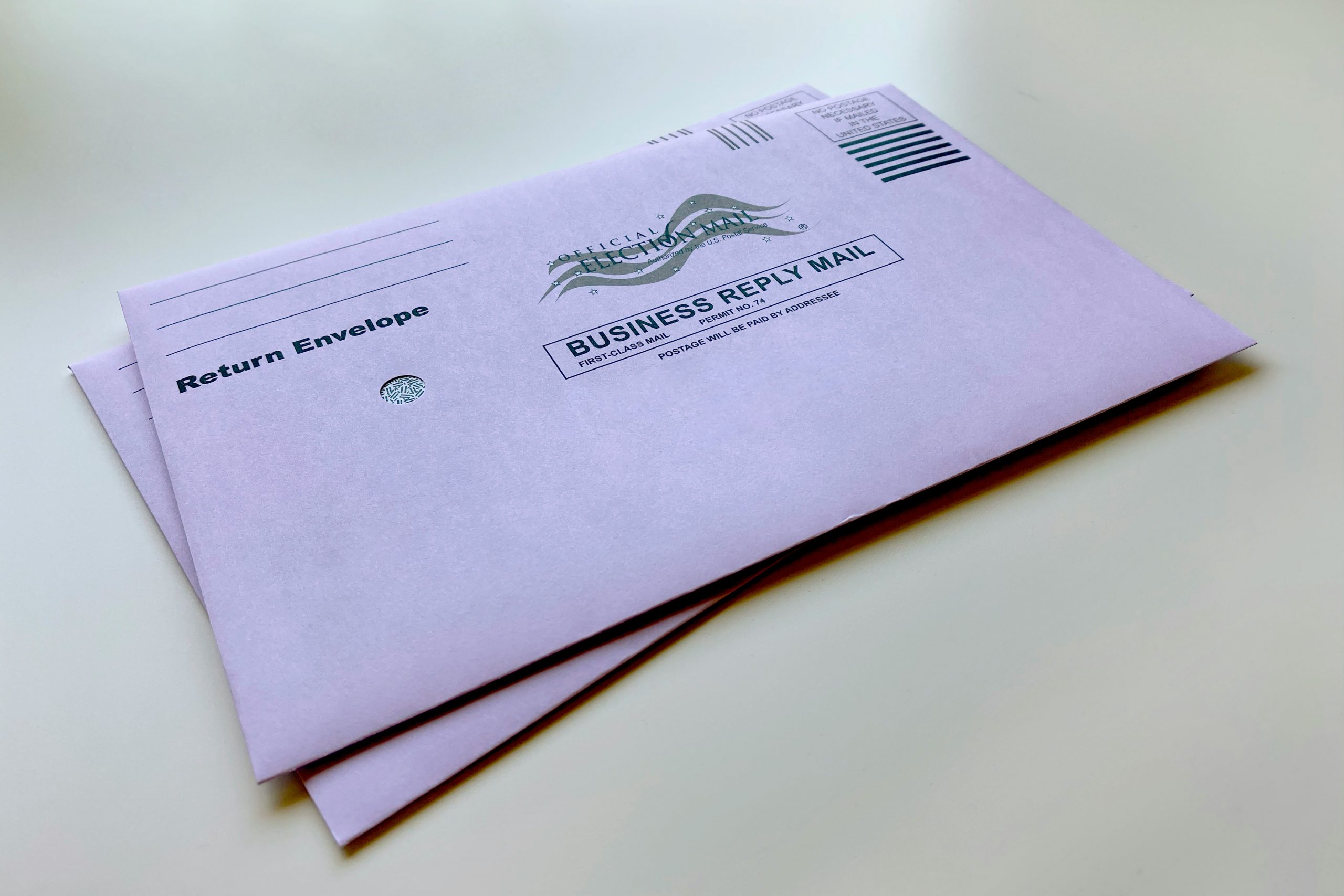
Last week, the United States Postal Service (USPS) proposed a new rule that would force states to provide data for mail-in and absentee voters to the federal government, including names, addresses, and envelope barcode information.
The move came a day after a federal judge refused to block President Donald Trump’s executive order aiming to limit mail-in voting. The order, which forms the basis for the Postal Service’s new rule, would require election officials to share a list of voters who have requested mail-in or absentee ballots with USPS at least 30 days before ballots are sent out. USPS would be barred from sending ballots to anyone not on that list. The agency would also be in charge of associating names of mail-in voters with “a unique barcode” assigned to their ballots, potentially eroding state election officials’ power.
Separately, the U.S. Supreme Court is expected to rule in a state voting rights case later this month that could further complicate voting by mail. The Mississippi Alliance joined the Vet Voice Foundation as an intervenor in the case last year. In March, the court heard oral arguments seeking to repeal a Mississippi state law permitting election officials to count ballots postmarked by Election Day. Voting rights advocates expect the court to rule in favor of overturning the law. This would cause chaos for voters in 29 states that provide grace periods allowing officials to count ballots postmarked on or before Election Day. More than 46 million voters (about 30 percent) cast their ballots by mail in 2024, and 119,000 of those took longer than seven days to deliver, according to the Postal Service.
“The Administration insists that this is about election integrity, but making it harder to vote by mail won’t make elections more secure,” said Robert Roach, Jr., President of the Alliance. “This will just introduce unnecessary administrative burdens for millions of Americans exercising their Constitutional right to vote – including seniors who vote by mail at the highest rates.”
Publisher: Source link