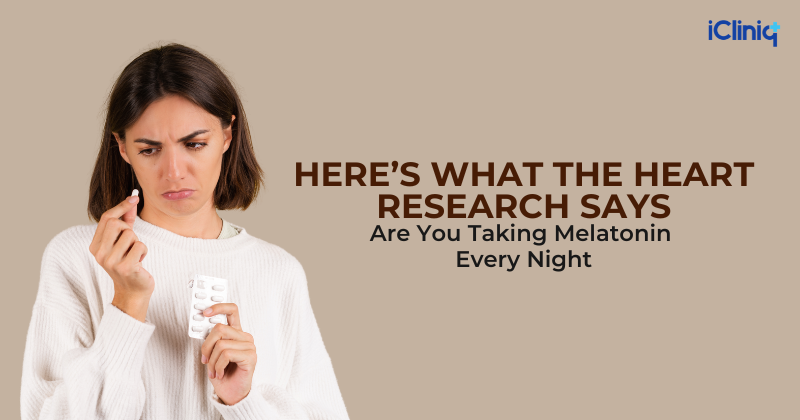
For a lot of people, melatonin is just part of the bedtime routine: a gummy, a glass of water, lights off. So when news started circulating that it might be linked to heart failure, it understandably rattled a lot of regular users. Turns out, the real story is a lot calmer than the headlines made it sound.
Why the Melatonin-Heart Scare Started?
A study came out that got people talking after it noticed something odd: people who’d been taking melatonin for a long time were being diagnosed with heart failure more often than insomniacs who weren’t taking it. That single detail was enough to send the story everywhere.
But here’s what got lost in translation: the study found a pattern, not a cause. People who take melatonin nightly are usually already dealing with sleep issues and other health problems that can affect the heart on their own.
What Heart Failure Actually Feels Like?
Heart failure sounds like the scariest possible phrase, like your heart just quits on you. It doesn’t work like that. Most of the time it creeps in slowly, over months or years, as the heart muscle loses a bit of its pumping strength each time.
Because of that, oxygen doesn’t circulate as efficiently, and fluid can start collecting in places like the lungs, ankles, or feet. That’s why the early warning signs are things people tend to brush off: feeling winded after normal activity, puffy ankles by evening, waking up short of breath, or feeling wiped out even after a full night’s sleep. None of these means something is definitely wrong, but they’re worth paying attention to rather than ignoring.
It’s Not About the Pill, It’s About Why You Need It
This is really the heart of the matter. Someone who needs melatonin every single night usually isn’t just a light sleeper; there’s often something deeper going on, like chronic stress, anxiety, menopause symptoms, irregular work shifts, or even undiagnosed sleep apnea.
And poor sleep on its own is already tied to higher blood pressure, more inflammation, and a greater risk of things like diabetes and weight gain, all of which put extra strain on the heart over the years. So a lot of the risk researchers are seeing may actually be coming from whatever’s disrupting the sleep in the first place, not from the melatonin itself. If you’ve been relying on it for months, the better question might be: what’s actually keeping me up?
The Newer Research Calms Things Down
Since that first alarming study, more research has looked at melatonin use across a much wider group of people. Once researchers accounted for things like age, lifestyle, and existing health conditions, the link to heart failure basically disappeared.
That doesn’t mean melatonin gets a full, no-questions-asked pass, but it does mean the picture is a lot more than melatonin is bad for your heart.
So Should You Stop Taking It?
If you only reach for melatonin once in a while, like for jet lag, a rough week, or an occasional restless night, this isn’t really about you. The bigger concern is for people who’ve made it a nightly habit without ever asking why their sleep isn’t improving on its own.
If that sounds like you, the move isn’t to panic and quit cold turkey. It’s to bring it up with your doctor, talk through your dose, how long you’ve been taking it, and whether something else might be behind the sleeplessness. It’s worth getting checked if you need it almost every night, if the insomnia has dragged on for months, if you snore heavily or gasp awake, or if you’re still exhausted no matter how much time you spend in bed.
Melatonin hasn’t been proven to harm your heart, no matter how the headlines read. If you use it occasionally, there’s no reason to worry. But if it’s become a nightly crutch, it might be worth figuring out what’s really keeping you awake, because fixing the cause usually works better than covering the symptom.
Publisher: Source link