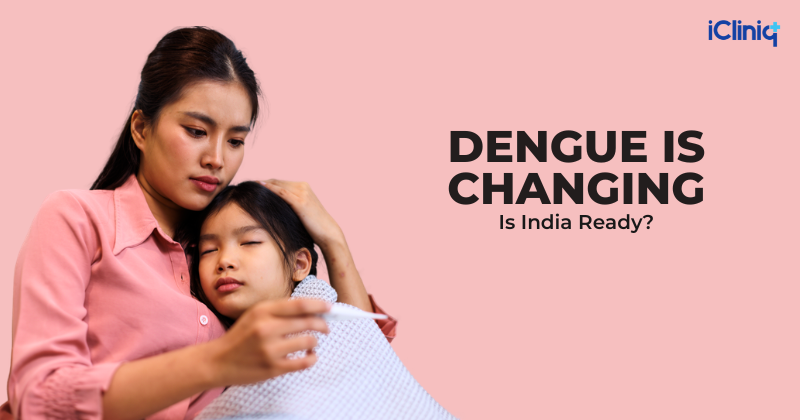
Dengue Is No Longer Just a Monsoon Disease. Here Is Why It Matters
For years, most people in India believed dengue was a “rainy season illness.” Families became more careful during the monsoon and relaxed once the rains ended. However, doctors are now seeing a different pattern. Dengue cases are appearing even before the monsoon begins and continuing long after it ends. In some cities, infections are being reported throughout the year.
So, What Has Changed?
The biggest reason is climate. Rising temperatures allow the Aedes mosquito, which spreads dengue, to survive for longer periods. Unpredictable rainfall also creates many small pools of stagnant water where mosquitoes breed. Even a flower pot, bucket, cooler, or discarded plastic cup with standing water is enough for mosquitoes to multiply.
Another key factor is the rapid urbanization. Crowded areas, construction, poor drainage, and water storage practices are perfect breeding grounds. Mosquitoes do not need dirty water. They are commonly found near houses and offices and lay their eggs in clean, stagnant water.
Dengue fever is often mistaken for common viral fever. Symptoms include high fever, severe headache, pain behind the eyes, muscle and joint pains, nausea, vomiting and skin rash. Some people recover, with proper care. Some end up with severe dengue which can cause bleeding, breathing problems or shock. These red flags require immediate medical attention.
Another important point is that not all dengue patients have low platelets at the same time. Platelet counts alone can be a red herring delaying proper treatment. Doctors don’t just look at one blood test; they look at the overall condition of the patient, hydration, and warning signs.
The good news is that dengue can often be prevented.
Simple steps make a big difference:
- Empty containers that collect water every week.
- Cover water storage tanks tightly.
- Use mosquito repellents, especially during the daytime because Aedes mosquitoes usually bite during the day.
- Wear full-sleeved clothing when possible.
- Install window screens or use mosquito nets if needed.
- Seek medical care early if you develop high fever during dengue season or after mosquito exposure.
Researchers are also working on better prevention. India has recently moved closer to introducing its first dengue vaccine, and studies are mapping different dengue virus strains across the country to improve future vaccination strategies. However, experts say vaccines alone will not solve the problem. Regular mosquito control and public awareness remain essential.
The message is simple: Do not wait for the monsoon to think about dengue. Mosquitoes do not follow the calendar anymore. Keeping your surroundings free of stagnant water throughout the year is one of the easiest ways to protect yourself, your family, and your community.
Publisher: Source link