WHO Updates HIV Medicine Dosing Guidance for Newborns, Infants and Children
When it comes to medicines, one size does not fit all, especially when treating newborns and children.
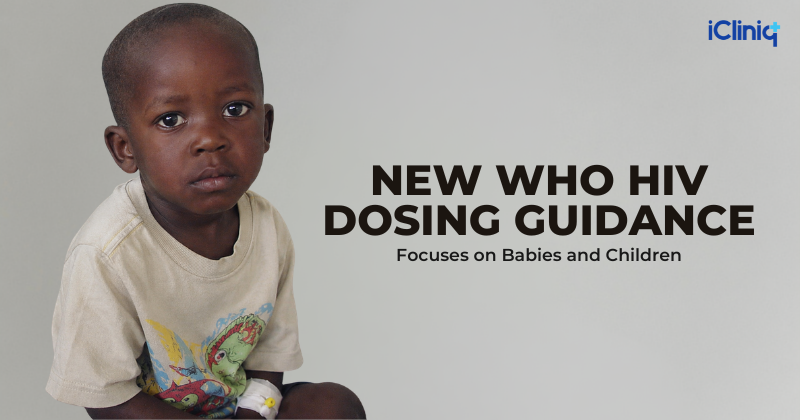
The World Health Organization (WHO) has released updated guidance on how antiretroviral medicines should be dosed in newborns, infants and children. Antiretroviral medicines are drugs used to prevent or treat HIV. The new recommendations are designed to help healthcare professionals provide children with the right amount of medicine at the right stage of life.
Why Does Dosing Matter?
Children are constantly growing. A medicine dose that is suitable for one child may not be appropriate for another based on their weight, age, developmental stage, or health condition.
The updated WHO guidance uses weight-based dosing bands to make prescribing and dispensing medicines easier and more consistent. It also includes updated recommendations for important HIV medicines, including dolutegravir and the Abacavir or Lamivudine combination.
Quick question: If a child grows significantly, should the medicine dose always stay the same?
Answer: No. Doses may need to be reviewed and adjusted as a child grows. Healthcare professionals use factors such as weight, age, the medicine being given, and other health conditions to determine the appropriate dose.
What About Newborns and Premature Babies?
Newborns, particularly babies born prematurely, may need special consideration when medicines are prescribed. Their bodies process medicines differently from older children and adults.
The updated guidance includes specific information for preterm infants and also clearly separates medicines used for HIV prevention from those used for HIV treatment.
What If a Child Also Has Tuberculosis?
This is another important consideration.
Some children living with or exposed to HIV may also need treatment for tuberculosis (TB). The new WHO guidance explains when HIV medicine doses may need to be adjusted if a child is receiving TB treatment at the same time.
Why Is this Update Important?
The goal is simple: to make HIV prevention and treatment easier, safer, and more appropriate for children.
The guidance gives healthcare workers practical dosing tables covering different medicines and formulations. By making recommendations more consistent, WHO hopes to help countries improve access to effective HIV care for children, from birth through adolescence.
Remember: Never change an HIV medicine dose without guidance from a qualified healthcare professional. A child’s treatment should always be based on their individual medical needs.
Every child living with or exposed to HIV deserves access to medicines that are safe, effective, and suitable for their age.
This WHO update is an important step toward making that care more consistent around the world, and toward the broader goal of ending AIDS as a public health threat among children.
Do you believe simpler, weight-based dosing guidelines could make it easier for families and healthcare workers to manage children’s HIV treatment? Share your thoughts below.
Publisher: Source link