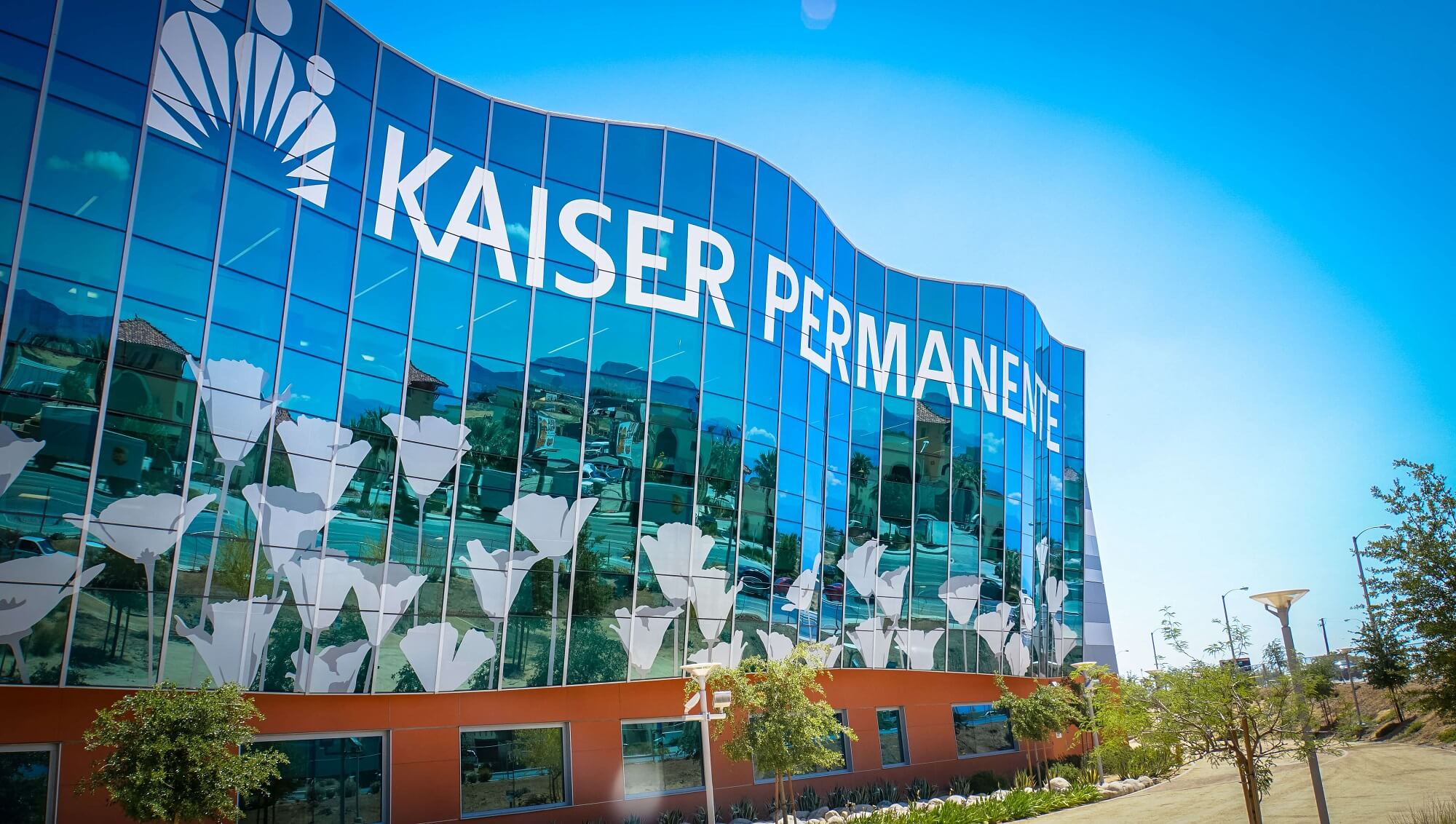
Kaiser Permanente’s first-quarter operating performance took a step back in 2026 compared to the year prior, though investments and other sources of income picked up the slack to push the large integrated nonprofit’s bottom line past $2 billion.
The system reported operating income of $711 million for the quarter, or a 2.1% operating margin, in a Friday evening press release. It had logged $932 million in operating income, or a 2.9% operating margin, in the first three months of 2025.
The organization’s performance came on the back of $34.6 billion in consolidated operating revenue, a roughly 8.7% year-over-year increase, and $33.9 billion of operating expenses, a 9.6% year-over-year increase.
Though it grew in scale, Kaiser noted that it and its subsidiary Risant Health “continue to manage elevated costs in care delivery while taking steps to improve efficiency and maintain affordability.”
Kaiser also acknowledged a one-time hit to its costs related to a month-long work strike in which over 30,000 union nurses and non-physician clinical workers walked off the job over payment and staffing demands. The stoppage was described by its organizers as “the largest open-ended strike of registered nurses and healthcare professionals in United States history.”
Meanwhile, in February, the organization locked in an insurance and outpatient care joint venture in northern Nevada with Renown Health and its Hometown Health plan.
“As the health care landscape continues to evolve, Kaiser Permanente and Risant Health are expanding access to our value-based care models, which deliver high-quality outcomes while driving affordability,” CEO and Chair Greg A. Adams said in Friday’s financial update. “This approach—and the dedication of our physicians and employees—means we can serve more people and communities across the country.”
Q1 2026’s 2.1% operating margin is still above the 1.1% Kaiser reported across 2025 as a whole, though the organization notes that its operating margin typically runs high in the first half of the year “due to health plan enrollment cycles and moderates later as care utilization increases while revenue stays relatively flat.”
The operating income slowdown was near-evenly matched by a year-over-year rise in investment and other income, which hit $1.3 billion due to more favorable financial market conditions. These together left Kaiser at a net income just over $2 billion, about the same as Q1 2025.
The organization’s financial update, which is typically followed by a more detailed regulatory filing in the coming weeks, showed Kaiser and its affiliates’ membership to have hit 13.5 million members as of March 31, up from Dec. 31’s 13.1 million. The quarter’s capital spending also grew year over year from $1 billion to $1.2 billion.
“In the first quarter, we continued to invest in our facilities and technology that support access, quality, and care for our members,” Kathy Lancaster, executive vice president and chief financial officer, said in the release. “To offset the ongoing cost pressures in care delivery, we are accelerating efficiencies across business functions as part of our continued affordability focus.”
Kaiser Permanente is the country’s largest nonprofit health system by operating revenue, and in recent years has looked to expand its footprint by acquiring mid-size community health systems outside of its existing footprint through its Risant Health subsidiary.
Across 2025, it reported a 10.3% increase in operating revenues to $127.7 billion—due in part to the Risant acquisitions—plus a $1.4 billion operating margin and $9.3 billion net gain.
Publisher: Source link