Every January, gyms overflow with new members determined to finally prioritize their health. By March, the crowds thin, enthusiasm fades and the cycle resets. It’s a familiar pattern—and a telling warning for the healthcare industry as the push to expand adoption of wearable health devices intensifies.
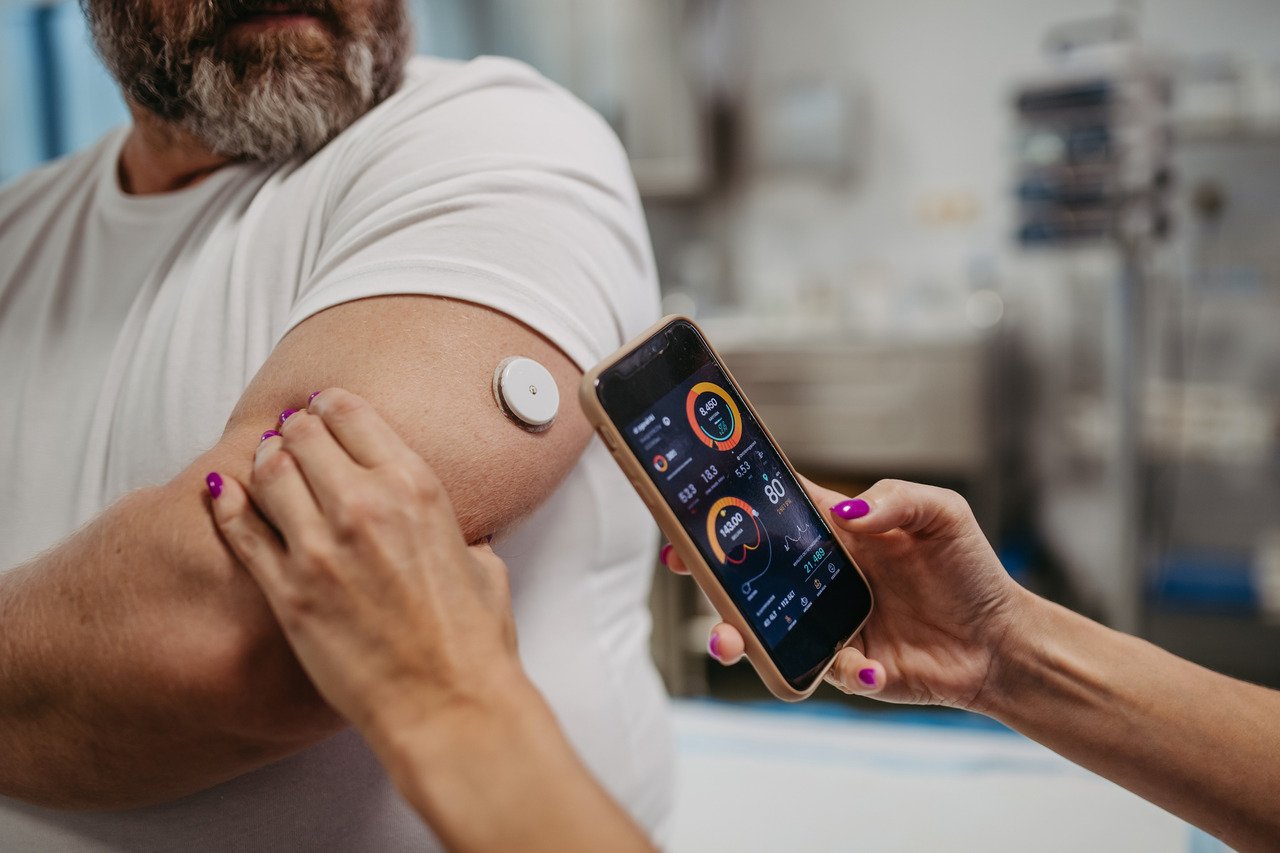
This year, HHS Secretary Robert F. Kennedy Jr. called for bringing health-oriented wearables, from smartwatches to commercially available continuous glucose monitors (CGMs), to every American within four years. The vision is compelling: give people real-time data and they will make better choices about their diet, exercise, sleep and daily habits. And for many, these devices can indeed be transformative.
But as with gym memberships, initial excitement does not guarantee long-term engagement. Without sustained education, structured onboarding and real human support, many people stop using health devices long before the clinical or behavioral benefits can materialize. In fact, the parallels are striking. Roughly half of new gym members stop going within six months.
Wearable adherence rates follow a similar trend, with an estimated 30% abandoning health tracking devices and around 70% of users abandoning apps after the initial engagement period. Among individuals with chronic conditions—the very population that benefits most from continuous data—abandonment rates can reach up to 98%, with users dropping off of sustained app usage long before being able to achieve clinical improvements.
This reflects a broader insight about leveraging wearables to drive health improvements: access is not the primary barrier. Adherence is. And for health plans edging into 2026 amid tightening margins, rising chronic disease burden and increasing pressure to demonstrate return on digital health investments, building adherence—not simply expanding access—will be the differentiator that drives both clinical outcomes and financial sustainability.
The leaky bucket problem in CGM adherence
CGMs offer one of the clearest examples of the gap between device acquisition and sustained use. Real-world data show that one-year adherence among Medicare beneficiaries who obtain CGMs through pharmacy channels is around 64%, and among commercially insured members, it is even lower, at roughly 48%. Yet when patients receive CGMs through durable medical equipment (DME) channels—where onboarding and follow-up support are more structured—adherence is significantly stronger, reaching 78% for Medicare members and 60% for commercial users.
For health plans, this represents a costly “leaky bucket.” Considerable resources go into authorizing CGMs, distributing them and helping members start therapy, only for many to stop using the devices before those efforts yield clinical improvements or reduce spending. The shift toward pharmacy-based distribution has added more points of access for consumers, but without wrap-around, patient-centered support that is rarely available through this channel, it has also weakened the foundational supports—education, technical assistance and human connection—that are essential for clinically successful long-term usage.
As plans prepare for 2026, it is increasingly clear that successful CGM programs cannot rely solely on expanding access to new members. They require deliberate investment in adherence infrastructure: the people, processes and data systems that help members successfully use these devices every day, not just activate them.
Why 2026 must be the year health plans prioritize human-first adherence programs
The year ahead offers health plans a critical opportunity to redesign the CGM experience from the beginning. Sustained adherence starts the moment the device is prescribed. Members need clear, tailored education on how the CGM works, what benefits they can expect and what challenges are typical during the first few weeks of use. Setting expectations early—and providing immediate access to technical and clinical support—helps establish confidence and motivation before frustration can derail the process.
But onboarding alone is not enough. Just as a gym orientation does not guarantee that a new member will keep showing up, a single instructional session does not secure long-term CGM use. Members need ongoing, relationship-based coaching that meets them where they are, anticipates barriers and reinforces positive behaviors. Human guidance—whether through care managers, diabetes educators or digital coaching platforms with real clinicians behind them—is often the missing link that keeps members engaged through the inevitable ups and downs of managing a chronic condition.
To support this level of engagement at scale, health plans will need to collaborate with partners, such as DMEs, with comprehensive access to device data, clinical records, social determinants of health data and historical engagement patterns—as well as the infrastructure and advanced technology tools to translate this information into proactive outreach that strengthens engagement before adherence collapses.
Aligning incentives and distribution models for real-world impact
In 2026, the digital health landscape will demand more accountability and clearer demonstration of value. CMS is increasing scrutiny of outcomes tied to remote monitoring technologies, and health plans and providers are pushing for transparency around the effectiveness of digital tools. To meet these expectations, health plans will need to shift their focus from distributing devices to ensuring members actually use them.
This means aligning incentives around retention rather than volume. Value-based contracts that reward 90-day and 12-month adherence milestones will become increasingly important, as will provider incentives that recognize not only CGM prescribing but also meaningful member follow-up. Plans will also need to re-evaluate distribution pathways. While pharmacy channels may offer access, they often lack the structured support of DME models, which historically yield stronger adherence. A hybrid or redesigned model may be necessary to capture the benefits of both efficiency and high-touch engagement.
What adherence success looks like in 2026
CGMs remain one of the most powerful tools for improving diabetes management, reducing avoidable acute care and empowering individuals to take control of their health. But the true value of these devices is realized only when members stay engaged long enough to benefit. For health plans, as well as providers and medical device companies building chronic care technology, 2026 must be the year to invest in adherence not just access—through AI-powered risk identification and intervention, human-first coaching, redesigned onboarding and aligned incentives that prioritize sustained engagement.
The most important metric will no longer be how many new patients get started on CGMs. It will be how many members are still using them months later—and how many are living measurably healthier lives because of it. That is the difference between “gym membership syndrome” and real behavior change, and it is the difference between putting powerful tools in the hands of people with diabetes and empowering people to achieve lasting improvement in their health.
Marian Lowe is chief strategy and development officer of CCS Health.
Publisher: Source link