NASHVILLE, Tenn.—Health plans often struggle to cross a significant gap in trust with members, and meeting that challenge is critical to engaging with them through digital avenues, experts said.
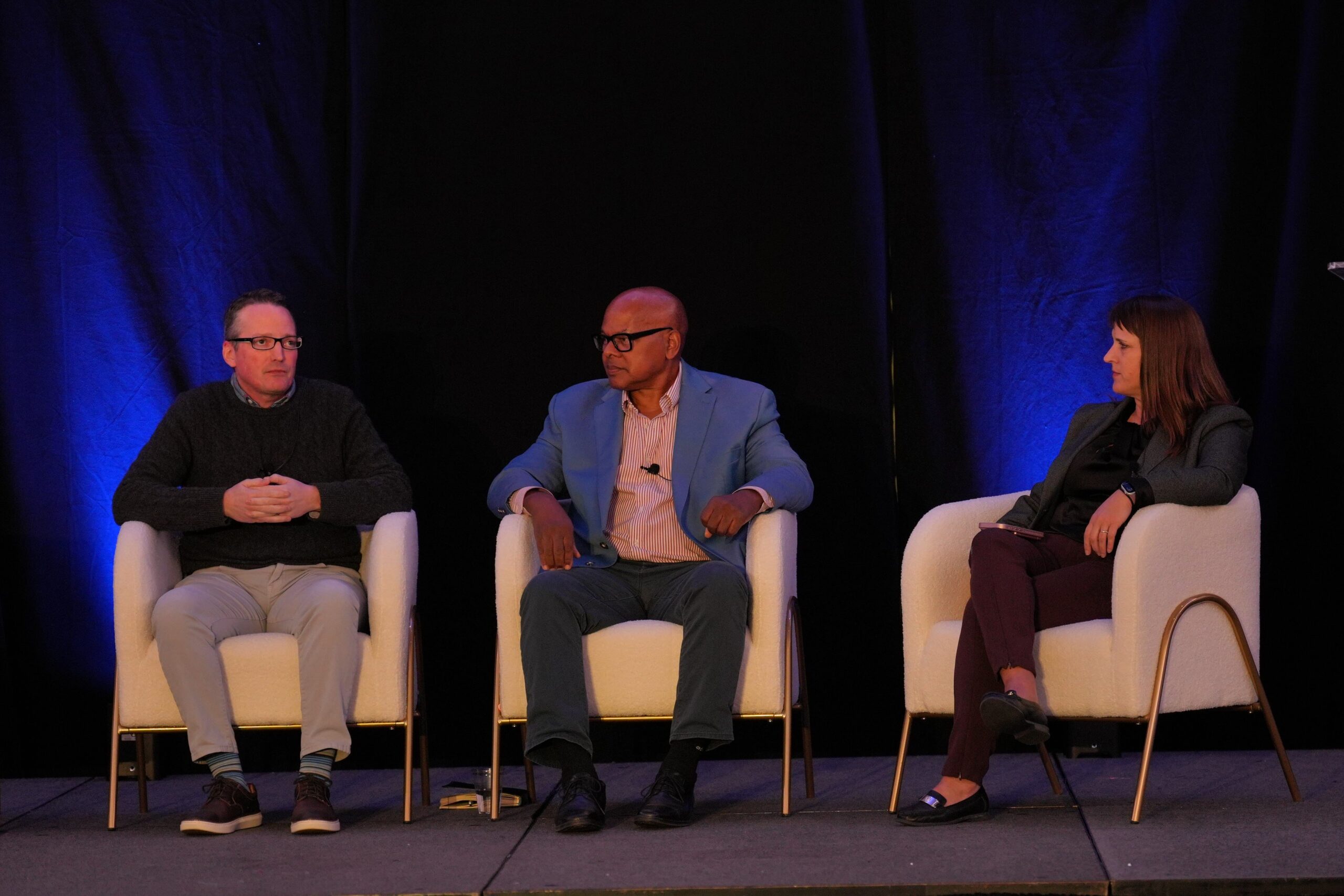
Abner Mason, chief strategy and transformation officer for GroundGame.Health, and Dustin Smart, vice president for digital value and performance at Centene, joined Fierce Healthcare Executive Editor Heather Landi on a panel at the 2025 Fierce Health Payer Summit digging into the promise and pitfalls of technology in member engagement.
Smart said building trust starts with the little things. He offered the example of a friend one might speak with regularly who is just unable to pronounce your name correctly. Inevitably, it becomes frustrating, even if the infraction is ultimately minor.
“I think you have to earn the right to be in a member’s life,” Smart said. “There are just some basics that you just have to get right to begin to earn the trust, and I think if I reflect inwardly on the industry, I don’t know that we’ve always done a great job of those building blocks to get to the level of trust that we want to be able to engage for the right reasons, in the right ways.”
Mason said another part of the equation is that member expectations have evolved, and, in every other area of their lives beyond healthcare, they have a convenient, simple experience that meets their needs.
For example, if a customer buys an item of clothing on Amazon, the retailer’s algorithms are designed to readily suggest products they may also be looking for. And the platform can adapt quickly to further understand the shopping habits of customers.
“That’s the way the rest of the economy has moved forward,” Mason said. “They treat the consumer like who they are matters. You’re not just a number.”
He continued that healthcare, by contrast, has been a combination of companies being unable and unwilling to move forward with offering care in a more personalized way. Healthcare companies as organizations are more heavily regulated, so that does create additional barriers, but there also has to be appetite to provide care in a personalized way, he noted.
He likened it to going to the bank. A client with $100 in their account will receive significantly different treatment compared to an individual who has $100 million. The bank understands these customers’ unique circumstances and caters to them.
Mason added that other industries are also better at efficiently managing data. Patients, for instance, often have to repeatedly provide the same information or answer the same questions when visiting their doctors.
“I think that’s been one of the big problems in healthcare,” he said. “The rest of the economy has zoomed past healthcare.”
Smart said it’s critical for technology teams to try to bridge the gap between generating value for the business and generating value for the member. For example, the companies benefit when members complete health risk assessments (HRAs) because they generate key data that can be used to manage their care.
But if outreach around a lengthy questionnaire is the first type of communication a member receives, it’s “probably missing the mark,” he said.
That means building the metrics necessary to track the most valuable outcomes. In the case of HRAs, it’s not enough just for members to complete them: The data have to be used to identify risks and avert negative outcomes.
“It’s finding the right thing at the right time,” Smart said. “To talk to someone about it is a conversation, you have to build that trust.”
Publisher: Source link